Networks
50 Networks terms explained simply, ordered from basic to advanced. Start at the top if the topic is new to you.
Basic
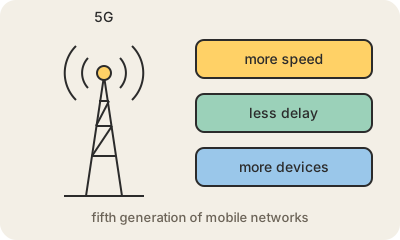
5G
The fifth generation of mobile networks: faster data, less delay, more devices at once.
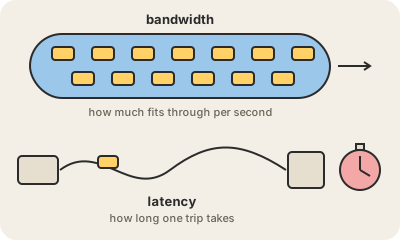
Bandwidth and latency
How much data fits per second, and how long each trip takes. Two different things.
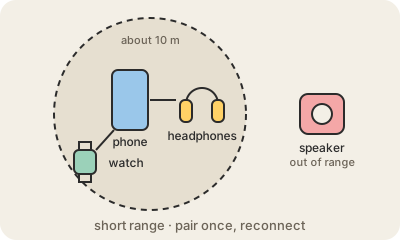
Bluetooth
Short-range wireless for connecting nearby gadgets: headphones, watches, keyboards.
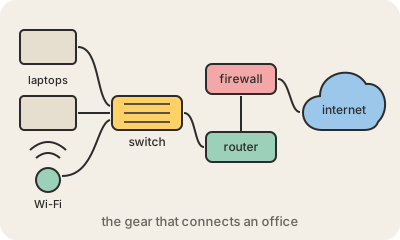
Cisco
The company that makes much of the network gear connecting offices to the internet.
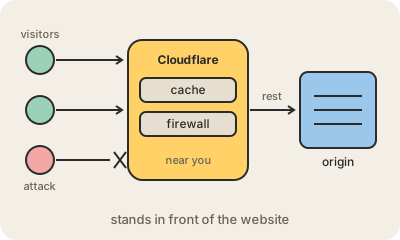
Cloudflare
A global network that sits in front of websites to make them faster and safer.
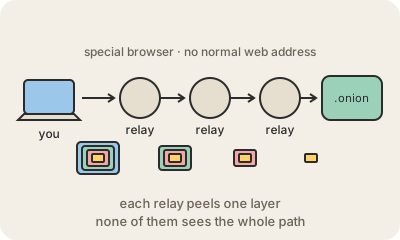
Dark web
Websites that are reachable only with special software that hides who is talking to whom.
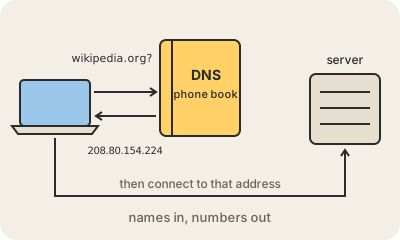
DNS
The internet's phone book: it turns names like wikipedia.org into IP addresses.
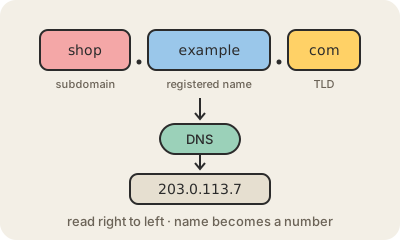
Domain name
The readable name of a website, like wikipedia.org, that stands in for a numeric address.
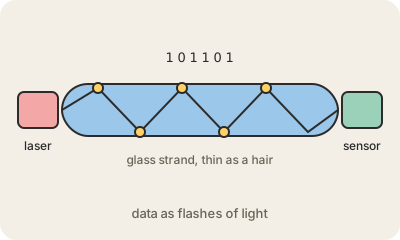
Fiber optic
Thin strands of glass that carry data as pulses of light, fast and over long distances.
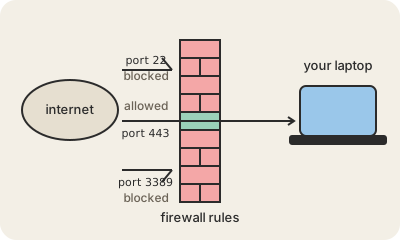
Firewall
A gatekeeper that decides which network traffic gets in or out.
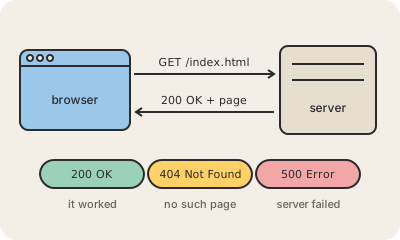
HTTP
The request-and-response language browsers and websites speak.
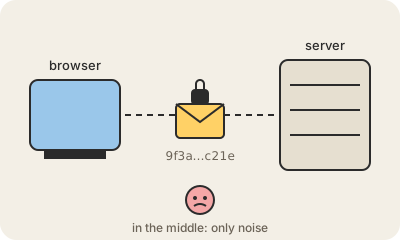
HTTPS
The padlock in your browser: web traffic nobody in between can read.
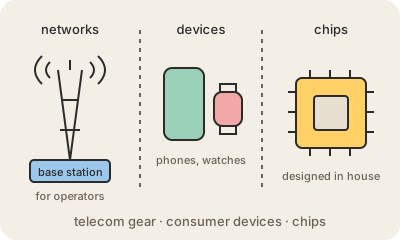
Huawei
A Chinese company that makes mobile network equipment, phones and its own chips.
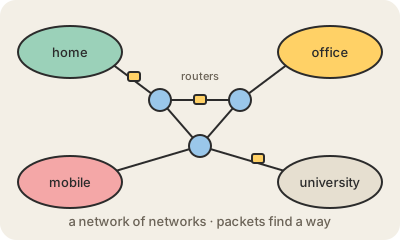
Internet
A worldwide network of networks that lets any connected device reach any other.
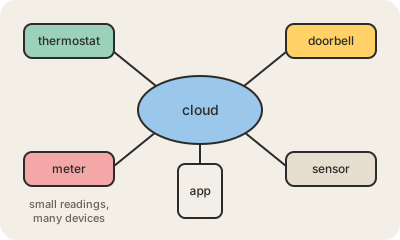
Internet of things
Everyday objects with sensors and a network connection: thermostats, meters, doorbells.
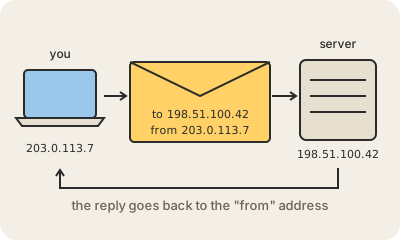
IP address
The number that identifies a device on a network, like a postal address.
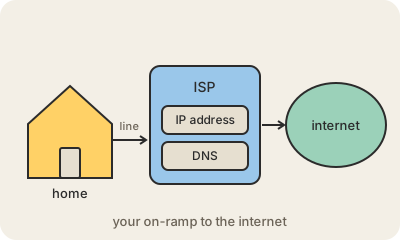
ISP
The company you pay to connect your home or phone to the internet.
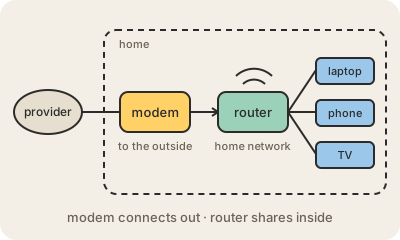
Modem
The box that connects your home to your internet provider's network.
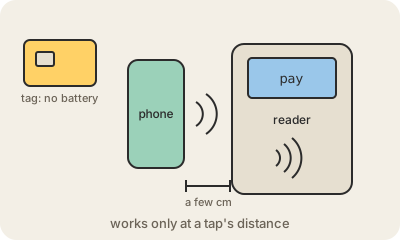
NFC
Very short-range wireless that works with a tap: contactless cards, phones, transit.
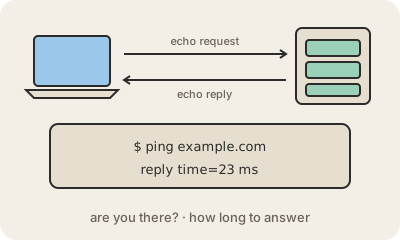
Ping
A tiny "are you there?" message that tests a connection and times the reply.
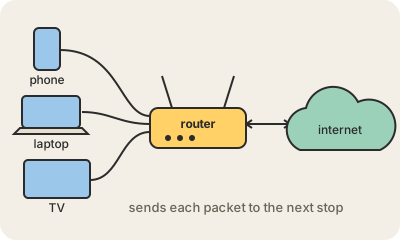
Router
The box that connects your devices to each other and to the internet.
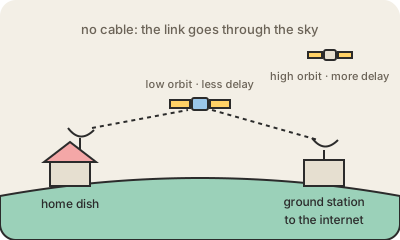
Satellite internet
Internet access beamed from space to a dish, where cables and cell towers don't reach.
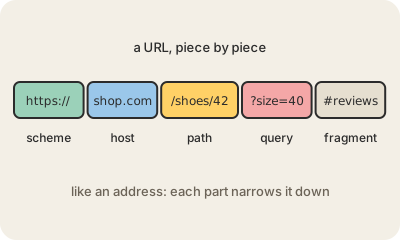
URL
The full address of something on the web: protocol, site and path.
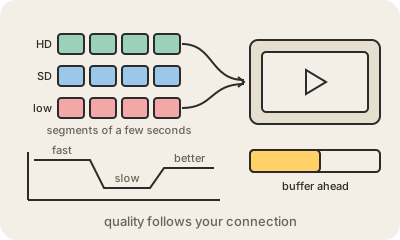
Video streaming
Watching a video while it arrives in small pieces, instead of downloading it all first.
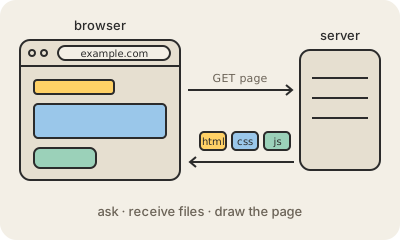
Web browser
The app that fetches web pages from the internet and draws them on your screen.
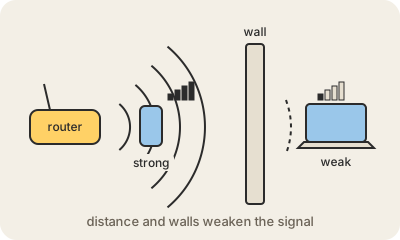
Wi-Fi
Networking over radio waves: the internet without the cable, within a few rooms.
Intermediate
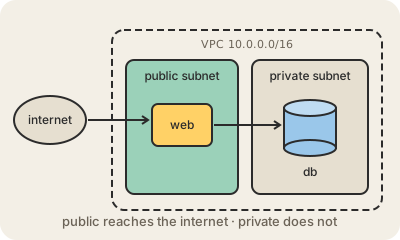
Amazon VPC
Your own private slice of the AWS network, with walls you draw yourself.
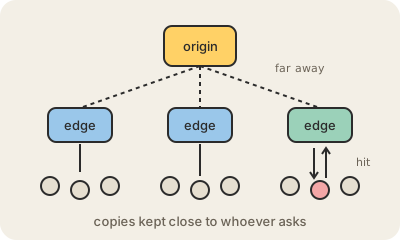
CDN
Copies of a website kept on servers around the world, close to whoever asks.
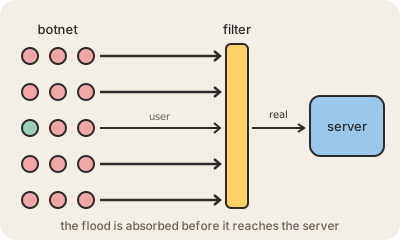
DDoS
Knocking a site offline by flooding it with more traffic than it can handle.
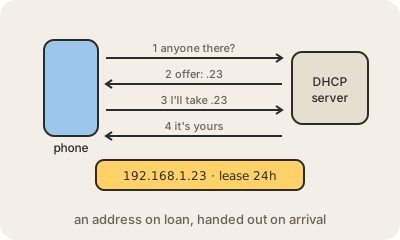
DHCP
The service that gives each device an IP address automatically when it joins a network.
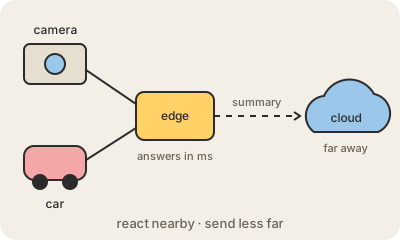
Edge computing
Processing data close to where it is created, instead of in a distant data center.
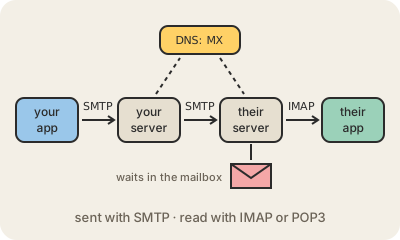
Email protocols
The shared rules, SMTP, IMAP and POP3, that carry an email from one inbox to another.
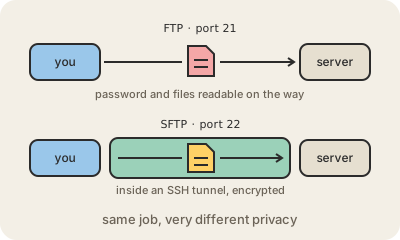
FTP and SFTP
Two ways to move files to and from a server; only one of them keeps them private.
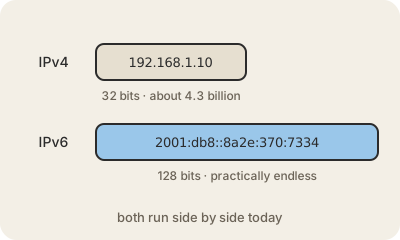
IPv6
The newer internet addressing system, with practically unlimited addresses.
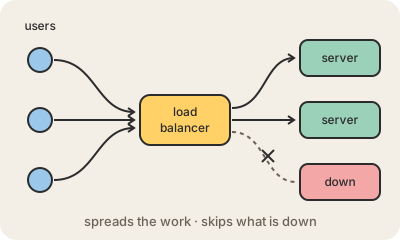
Load balancer
The traffic cop that spreads incoming requests across many servers.
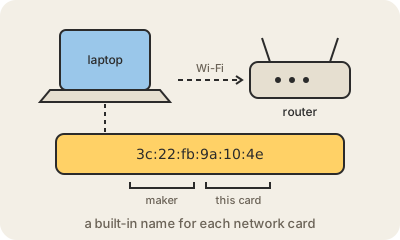
MAC address
The built-in name of a network card, used to deliver data inside a local network.
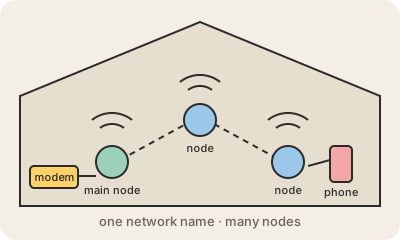
Mesh Wi-Fi
Several Wi-Fi units spread around a home that work together as one network.
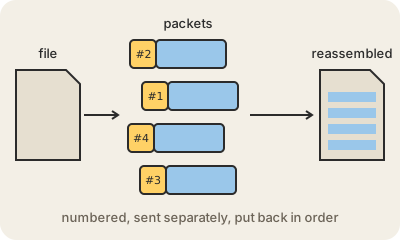
Packet
The small chunk every piece of internet data is cut into before it travels.
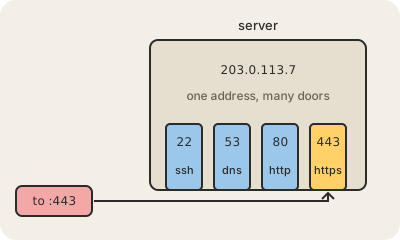
Port
The numbered door on a computer that says which program a connection is for.
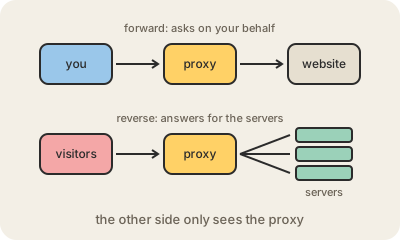
Proxy
A middleman computer that makes requests on someone else's behalf.
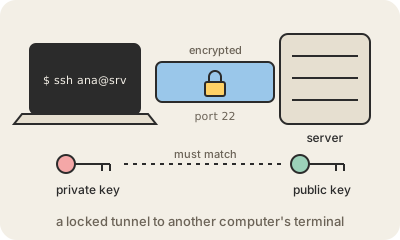
SSH
An encrypted way to log in to another computer and type commands on it.
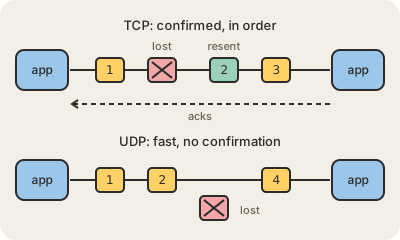
TCP and UDP
Two ways to send packets: TCP checks everything arrives, UDP just sends and moves on.
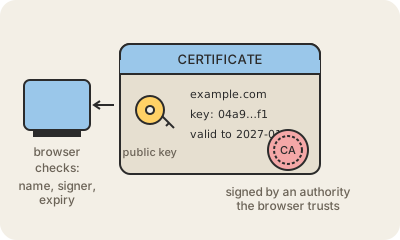
TLS certificate
The ID card a website shows your browser to prove it is who it claims to be.
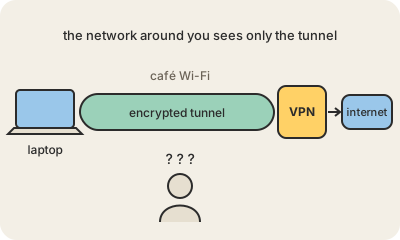
VPN
An encrypted tunnel that sends all your traffic through another network first.
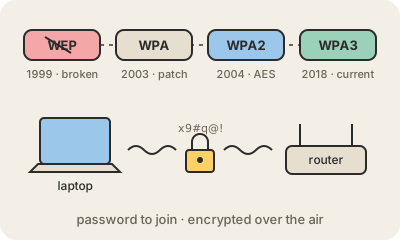
Wi-Fi security
How a Wi-Fi password keeps neighbors out and scrambles what travels through the air.
Advanced
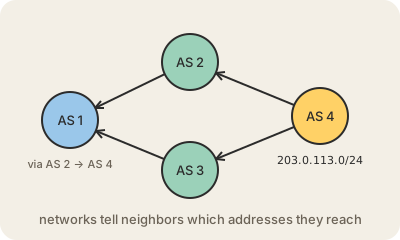
BGP
The protocol networks use to tell each other which addresses they can reach.
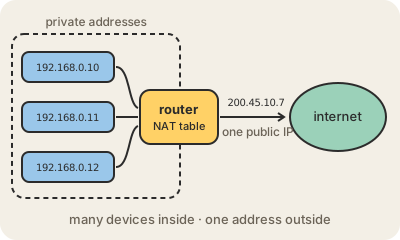
NAT
How a whole home or office shares one public IP address on the internet.
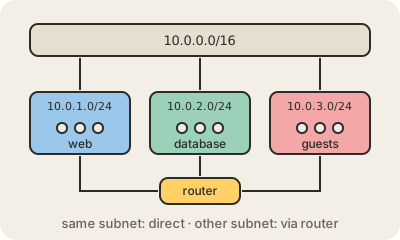
Subnet
A slice of a network's IP addresses, grouped so its devices can talk directly.
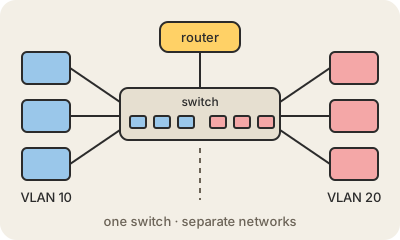
VLAN
A way to split one physical network into several separate ones, using software rules.
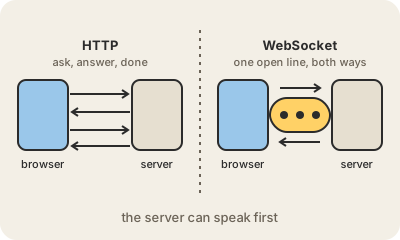
WebSocket
A connection between browser and server that stays open, so both can talk anytime.