Proxy
A middleman computer that makes requests on someone else's behalf.
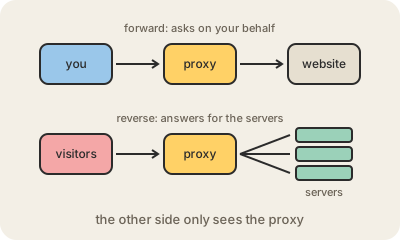
A proxy is a server that sits between two parties and passes messages along. Instead of your browser talking to a website directly, it asks the proxy, the proxy asks the website, and the answer comes back the same way. To the website, the visitor is the proxy: it sees the proxy's IP address, not yours.
The classic kind, a forward proxy, works for the people inside a network. Companies and schools use one so all browsing goes through a single door, where they can block certain sites, scan downloads for malware and keep logs. People use public proxies to appear to be in another country or to hide their address from the sites they visit.
A reverse proxy works for the servers instead. It stands in front of a website and receives every visitor, then decides which server behind it should answer. That is where TLS certificates are often handled, where repeated content is cached, and where abusive traffic gets filtered. Load balancers and CDNs are reverse proxies with a specific job; tools like NGINX are commonly used to build one.
A proxy is not a VPN. A proxy is usually set up for one app, like the browser, and by itself does not encrypt anything; a VPN tunnels all the traffic of your device through an encrypted connection. Either way, the operator of the middleman can see where you go, and with plain HTTP also what you send, so a free proxy run by strangers is a bad place to log in to anything.
Keep in mind
- The other side sees the proxy's IP address, not yours.
- Forward proxies serve users; reverse proxies stand in front of servers.
- Load balancers and CDNs are specialized reverse proxies.
- A proxy is not a VPN, and the operator can see your traffic.