Server
A computer whose job is to answer requests from other computers, all day, every day.
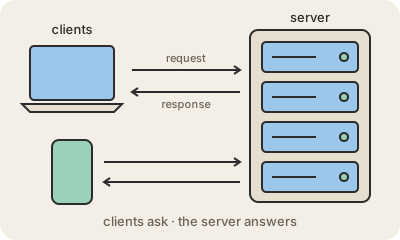
A server is a computer that provides something to other computers over a network: web pages, email, files, a database, the data behind an app. Your phone or laptop is the client that asks; the server is the one that answers. When you open a website, your browser sends a request across the internet and a server somewhere sends the page back.
"Server" describes a role more than a kind of machine. Any computer can act as one, even a Raspberry Pi at home. But machines built for the job look different from a PC: flat boxes stacked in racks inside a data center, with no screen or keyboard, lots of memory, two power supplies in case one fails and disks that can be swapped while they run. They are managed remotely and designed to stay on for years.
The word also names the software. A web server is a program that answers web requests, and one physical machine can run many server programs at once or be split into several virtual machines. When people say an app runs "in the cloud", it still runs on servers; they just belong to a provider like AWS, Google Cloud or Azure and are rented by the hour. Even serverless uses servers: you simply do not manage them yourself.
Keep in mind
- A server answers requests from other computers, called clients.
- It is a role: the same word names the machine and the program doing the job.
- Data center servers sit in racks, with no screen, and run nonstop.
- The cloud, and even serverless, still run on servers owned by someone else.