IP address
The number that identifies a device on a network, like a postal address.
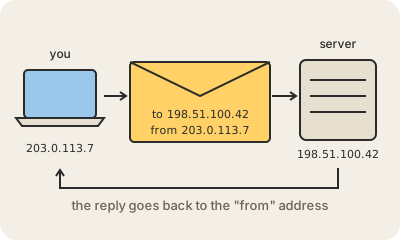
An IP address is a number that identifies a device on a network, so that data can find its way to it. Your phone has one on the café Wi-Fi, the server hosting a website has one, your router has one. The classic form (IPv4) looks like 192.168.1.10: four numbers from 0 to 255 separated by dots.
Every packet of data travelling the internet carries a destination IP address and a sender IP address, exactly like an envelope with two addresses. Routers along the way read the destination and pass the packet closer, hop by hop. When you open a website, your browser first asks DNS to turn the name into an IP address, then sends its request there.
There are two kinds. A public IP address is visible to the whole internet and is usually assigned to your home connection by your provider. A private IP address (like the 192.168.x.x range) only works inside your local network; many devices share one public address through NAT. Because the world ran out of IPv4 numbers, the newer IPv6 uses much longer addresses such as 2001:db8::1, with room for every device on the planet.
Keep in mind
- IPv4 addresses look like
192.168.1.10; IPv6 addresses are longer, like2001:db8::1. - Public IPs are reachable from the internet; private IPs only work inside your local network.
- Your IP usually reveals your rough location and your internet provider, not your name.
- DNS exists so people type names, not IP addresses.