5G
The fifth generation of mobile networks: faster data, less delay, more devices at once.
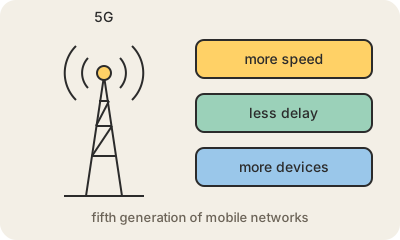
5G is the fifth generation of the technology that connects phones and other devices to mobile networks, after 2G (calls and text messages), 3G (the first usable mobile internet) and 4G (video and apps everywhere). It is a set of standards written by an industry body called 3GPP and adopted around the world, so phones and networks from different makers work together.
It improves three things. Speed: more data per second, so big downloads finish much sooner. Latency: a shorter delay between asking and getting an answer, which helps video calls, games and remote control of machines. And capacity: many more devices connected in the same area, which matters in stadiums, crowded city centers and factories full of sensors. Part of this comes from using new radio frequencies, including very high ones that carry a lot of data but travel short distances and are easily blocked by walls.
What you actually get varies a lot. Many carriers first launched 5G on top of their existing 4G equipment and lower frequencies, which works well but feels only somewhat faster; the most dramatic speeds appear only near dense groups of antennas. For most people, 5G mostly means a phone that keeps working smoothly in crowded places. Its bigger long-term uses are less visible: private networks in factories and ports, and connecting huge numbers of devices at once.
Keep in mind
- The fifth generation of mobile network standards, after 4G.
- Improves speed, delay (latency) and how many devices fit in one area.
- Its highest frequencies carry lots of data but only over short distances.
- Real-world speed depends heavily on where you are and how the network was built.