Malware and ransomware
Software built to harm you; ransomware locks your files and charges to unlock them.
Malware is the umbrella word for software written to do damage: viruses that copy themselves, trojans that hide inside a program you wanted (a cracked game, a fake PDF reader), spyware that records what you type, and bots that quietly turn your computer into a soldier for someone else's attack. It arrives through phishing attachments, downloads from shady sites, infected USB sticks, or by exploiting a Vulnerability in software you never updated.
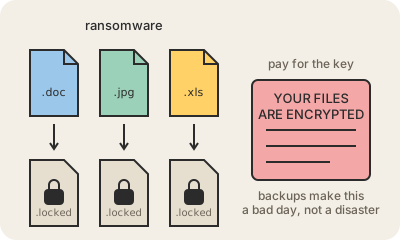
Ransomware is the kind that makes the news. It uses encryption against you: it scrambles your documents, photos and databases with a key only the attacker has, then leaves a note asking for payment, usually in cryptocurrency, to get the key. Modern gangs also copy the data first and threaten to publish it, so a backup alone does not end the blackmail.
Why it matters: in 2017 WannaCry spread through unpatched Windows machines and shut down hospitals in the UK; in 2021 Colonial Pipeline paused fuel delivery on the US east coast after an attack. Hospitals, city governments, schools and small businesses are the typical victims, not because they are special, but because they run old software and have no second copy of their data.
Practical takeaway: keep the operating system and browser on automatic updates, keep a backup that is not permanently connected to the computer (a cloud backup with version history counts), and do not install programs from outside the official stores or the maker's site. Paying is a last resort: it funds the next attack and the key does not always arrive.
Keep in mind
- Malware is any software made to harm; ransomware is the kind that locks your files for money.
- It usually enters through an attachment, a dubious download or software that was never updated.
- Updates and an offline or versioned backup defuse most of the damage.
- Paying the ransom does not guarantee the key and funds the next attack.


