URL
The full address of something on the web: protocol, site and path.
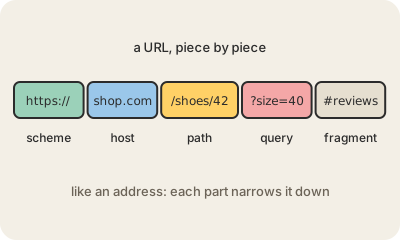
A URL (Uniform Resource Locator) is the address of one specific thing on the web: a page, an image, a video, an API endpoint. It is what you type in the address bar or share in a chat. https://es.wikipedia.org/wiki/Mate?lang=es#historia is one URL, and every piece of it means something.
Read it left to right. https:// is the scheme: how to talk (HTTPS, encrypted). es.wikipedia.org is the host, the domain name DNS turns into an IP address. /wiki/Mate is the path, which page on that site. ?lang=es is the query, extra options for the server. #historia is the fragment, a spot inside the page that only the browser uses. Sometimes a port appears after the host, like :8080, when the server is not on the standard one.
URLs matter because they are the web's links: a search result, a QR code, a share button, all just pass a URL around. For you, the host is the part to check: a phishing page can copy a bank's look, but banco-seguro.ejemplo.com is not banco.com, and the browser shows the real host in the bar.
Keep in mind
- Scheme, host, path, query, fragment:
https://+site.com+/page+?a=1+#section. - The host is the part that says who you are really talking to.
- Spaces and special characters get encoded, which is why you see
%20in links.