Spam
Unwanted messages sent in bulk: ads, scams and junk you never asked for.
Spam is unsolicited messages sent to huge numbers of people at once. It started with email and now arrives everywhere: text messages, messaging apps, social media comments, phone calls, fake reviews. Sending one more message costs the sender almost nothing, so even if only a tiny fraction of people respond, it pays. That is why there is so much of it; by most estimates a large share of all email sent is spam.
Some spam is just annoying advertising. A lot of it is a vehicle for something worse: phishing links that try to steal passwords, attachments that install Malware, fake prizes, investment scams, or messages that only check whether your address or number is active so it can be sold on. Spammers get addresses from data breaches, from scraping websites, from buying lists, or simply by guessing common names at popular domains.
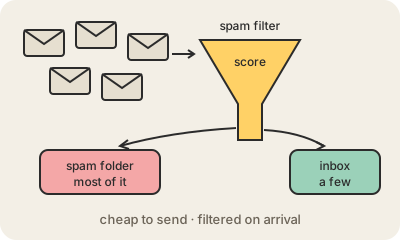
Email providers fight it with spam filters that score every incoming message: who sent it, whether the sending server is who it claims to be (checks called SPF, DKIM and DMARC), what it contains and how other users reacted to similar messages. Most spam never reaches your inbox at all. Marking a message as spam, rather than just deleting it, helps train those filters for everyone.
Good habits: do not reply or click to 'unsubscribe' in a message that looks shady, since that confirms your address is real (unsubscribe links from companies you actually signed up with are usually fine). Do not open unexpected attachments. Think twice before publishing your email address or phone number openly, and consider a separate address for shop sign-ups.
Keep in mind
- Spam is unsolicited bulk messaging, by email, SMS, apps or calls.
- It is cheap to send, so even a tiny response rate makes it profitable.
- Much of it carries phishing links, scams or malware.
- Mark it as spam instead of replying; filters learn from that.


