Multimodal AI
AI that works with more than one kind of data at once: text, images, sound, video.
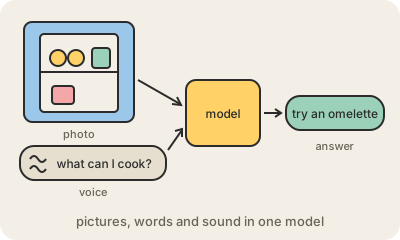
Multimodal AI is AI that works with more than one kind of information, or 'mode', at the same time: text, images, audio, video. A multimodal model can look at a photo and answer a question about it, listen to your voice and reply out loud, read a chart in a PDF, or take a sketch and turn it into a working web page.
Earlier systems handled each mode separately and chained them together: one program turned speech into text, a language model answered, another program read the answer aloud. Details got lost at each step, like tone of voice or what was in the picture. Modern multimodal models are trained on text, images and sound together, so they connect the word 'dog' with pictures of dogs and the sound of barking inside one model. Most current assistants, including ChatGPT, Claude and Gemini, accept images as well as text, and several also handle audio and video.
That opens practical uses. Photograph a strange error message, a medication label or a broken part and ask what it means. Blind and low-vision people use apps that describe their surroundings through the phone camera. Companies process scanned forms, invoices and screenshots without retyping them. The usual caveat applies with extra force: models can misread an image, miss a small detail or describe something that is not there, so important readings still need a human look.
Keep in mind
- Handles several kinds of input or output in one model.
- Common today: image plus text; many also do voice and video.
- Trained on mixed data, so it links words with sights and sounds.
- It can still misread images, so check what matters.