Identity theft
Someone uses your personal details to pass as you, usually to borrow or buy in your name.
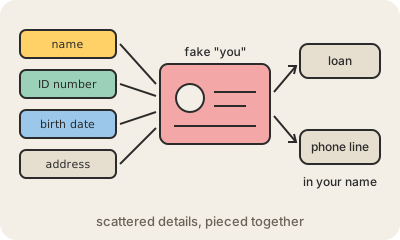
Identity theft is when someone gets enough of your personal information to pretend to be you: your full name, ID or social security number, date of birth, address, phone number, sometimes a photo of your ID card or a selfie. With that, they can open a credit card or a loan in your name, sign up for a phone line, take over your existing accounts, claim benefits, or give your name when they are stopped by the police.
The details usually come from many places at once. A data breach at a shop leaks emails and addresses; a phishing message tricks you into typing your bank login; a social media profile shows your birthday and your pet's name; a stolen wallet or a letter taken from a mailbox adds the rest. Criminals combine those pieces, and often buy and sell them in bulk.
Victims often find out late: a call from a collection agency, a loan they never asked for on a credit report, or a bank account that suddenly does not let them in. Recovering takes paperwork: reporting it to the police and the institutions involved, closing fraudulent accounts, and in many countries asking credit bureaus to freeze or flag your file so nothing new can be opened.
Prevention is mostly habits. Share ID numbers only when there is a real need, use unique passwords and two-factor authentication on email and banking, be suspicious of unexpected messages asking you to confirm details, check your bank statements and your credit report from time to time, and shred documents before throwing them away.
Keep in mind
- It is using your personal data to act, borrow or buy as you.
- The data is pieced together from breaches, phishing, social media and stolen papers.
- Act fast: report it, close fraudulent accounts and freeze your credit where possible.
- Unique passwords, 2FA and sharing less data are the best prevention.


