Disaster recovery
The plan for getting systems and data back after a major failure.
Disaster recovery (DR) is how an organization gets its systems running again after something big goes wrong: a whole data center or cloud region goes down, a ransomware attack encrypts the servers, a bad deploy corrupts the database, or a flood reaches the building. Backups are part of it, but DR is the whole plan: what gets restored first, where it runs, who decides, and how long it all takes.
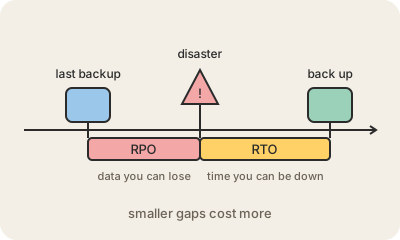
Two numbers shape every plan. The RPO (recovery point objective) is how much data you can afford to lose, measured in time: an RPO of one hour means losing at most the last hour of changes. The RTO (recovery time objective) is how long you can afford to be down. A blog might accept a day for both; a payment system may need seconds. Tighter numbers cost more, because they require more copies, more automation and spare capacity sitting ready.
On the cloud, common strategies go from cheap and slow to expensive and fast: backup and restore in another region, a pilot light with only the core pieces running, a warm standby with a smaller copy of everything, and active-active, where two regions serve traffic at the same time. Whatever the choice, the plan only works if it is practiced; teams run regular drills where they actually fail over and time how long it takes.
Keep in mind
- Covers restoring systems and data after a big failure, not just keeping copies.
- RPO: how much data you can lose. RTO: how long you can be down.
- Strategies range from backup and restore to active-active across regions.
- Untested plans fail; run drills regularly.
Go deeper
- What is disaster recovery? (AWS)
- Disaster recovery of workloads on AWS (whitepaper)
- Disaster recovery on Wikipedia