Data catalog
A searchable inventory of an organization's datasets, with what each one means.
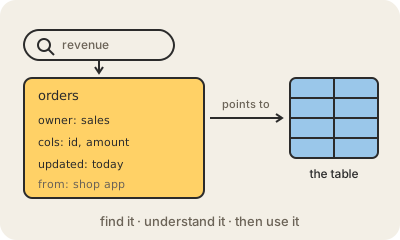
A data catalog is an inventory of the data an organization has: every table, file and dashboard, with a description of what it contains, who owns it, when it was last updated and how it connects to the rest. It does not hold the data itself; it holds metadata about it and points to where the data lives.
The everyday use is search. An analyst who needs "monthly revenue by country" types it into the catalog and finds the right table in the data warehouse, sees that the amount column is in dollars and excludes refunds, and knows who to ask if something looks off. Many catalogs also show lineage: which jobs produced a table and which reports depend on it.
Catalogs exist because data grows faster than anyone's memory. In a data lake with thousands of folders, a file that nobody can find or understand is as good as gone. Tools such as AWS Glue Data Catalog, Google's Dataplex, Unity Catalog or the open source DataHub fill this role, and the catalog is usually where data governance rules become visible to everyone.
Keep in mind
- Lists datasets with descriptions, owners, columns and freshness.
- Stores metadata and pointers, not the data itself.
- Lineage shows where a table comes from and what depends on it.
- Keeps a data lake from turning into a swamp.